

 ReachExtra
La Sauceda”, the House of Remembrance is dedicated to research and knowledge of the Spanish Civil War and its consequences
They say that those who do not know their history are doomed to repeat it. For this reason, so that history is neither repeated nor forgotten, there are places such as La Casa de la Memoria La Sauceda, which is located in the heart of the Historic Centre of Jimena de la Frontera, which is for many, a small ‘jewel’ still relatively unknown, inside and outside Jimena de la Frontera.
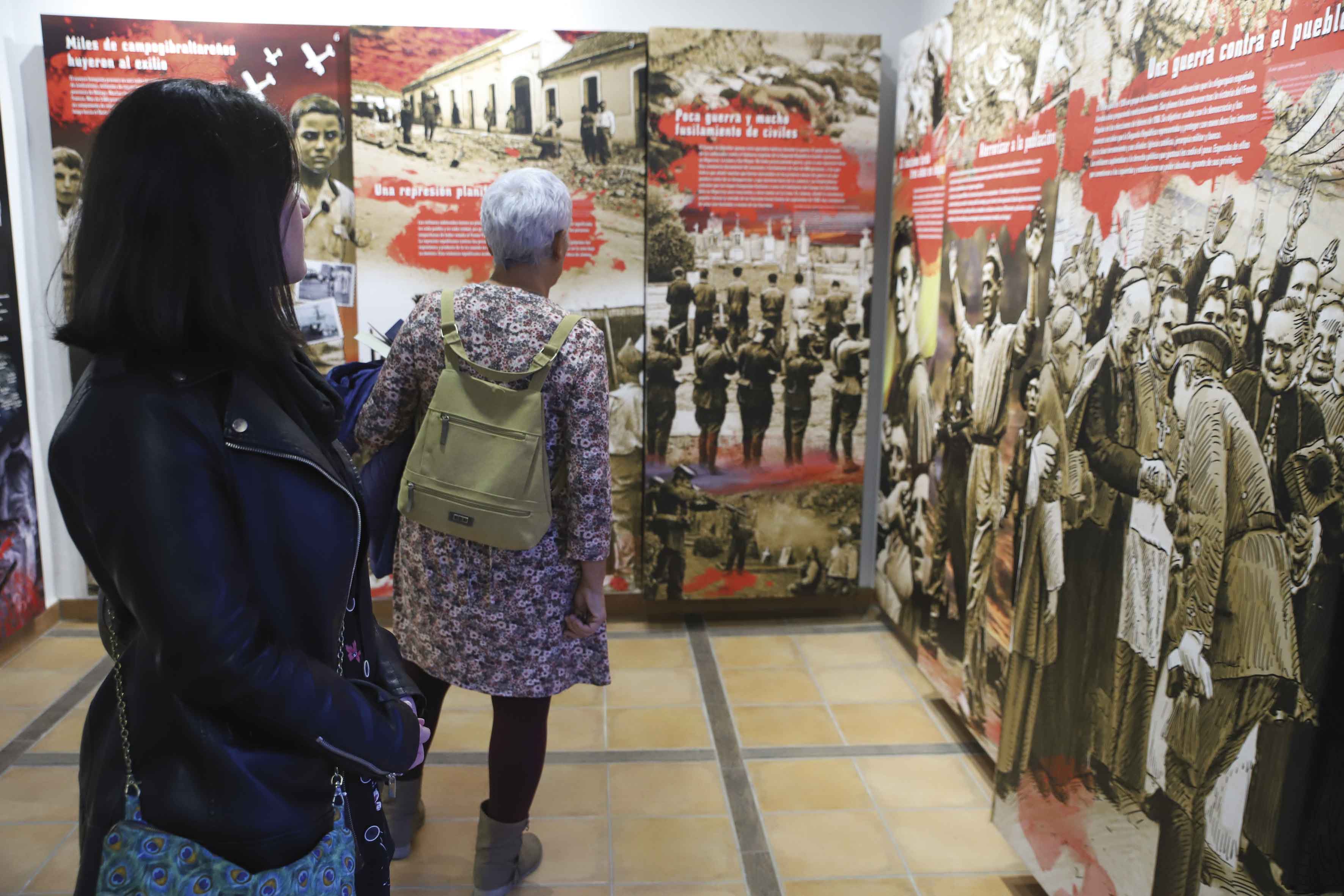
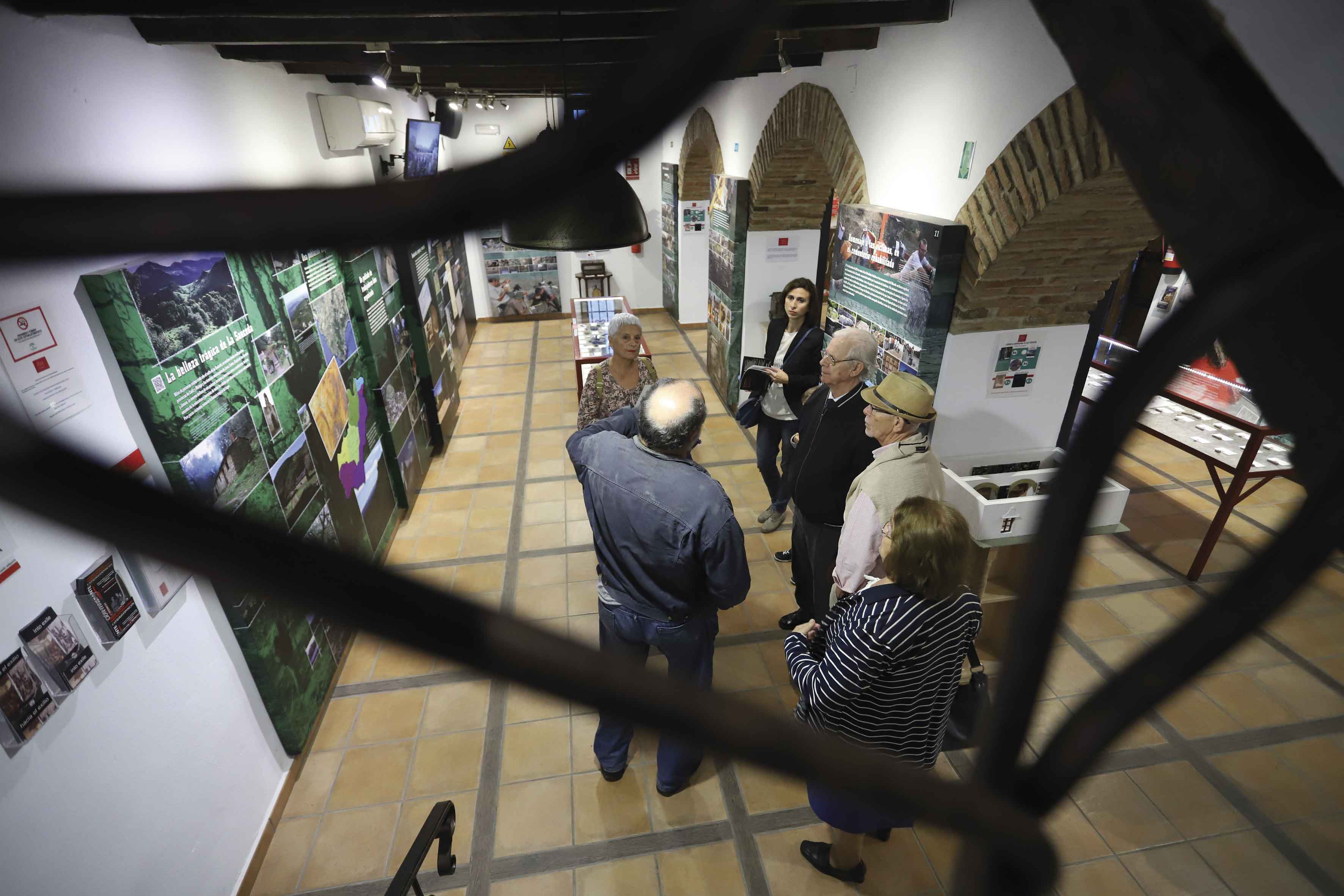
According to their website, La Casa de la Memoria of Jimena, is “a public space for research, dissemination and reflection of historical memories”. It has several exhibition halls, a documentary archive, a library with more than 1,900 books and a conference and projection room. It is open to and invites collaboration from researchers and institutions from all over Andalusia. It contains documentation and testimonies on the Spanish Civil War (1936-1939) and the subsequent Francoist repression throughout the Campo de Gibraltar, as well as the surrounding areas.

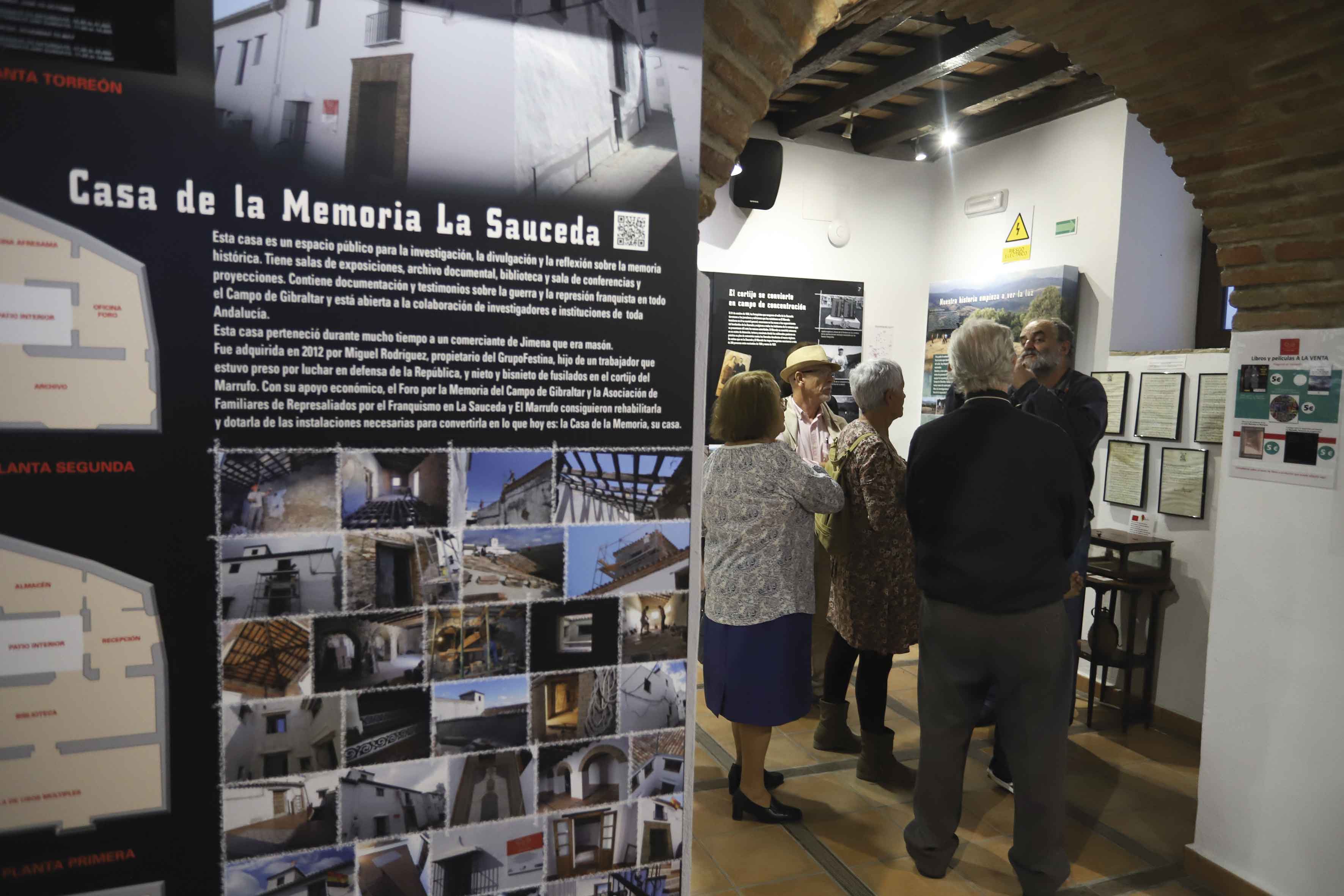
Promoted and managed by the Forum of Remembrance of the Campo de Gibraltar and the Association of Relatives who suffered Reprisals from Francoism in La Sauceda and El Marrufo, La Casa de la Memoria of Jimena opened its doors in 2016, after an extensive refurbishment. During the Dictatorship the property had belonged to Juan Ferrer, a hardware merchant who spent nine years in prison for being a freemason. It was acquired in dilapidated condition in 2012 by a businessman from La Línea de la Concepción Miguel Rodríguez, owner of the renowned international watch makers, the Grupo Festina, himself the son of a worker who was imprisoned for fighting for the Republic. Rodriguez is the grandson and great-grandson of the people executed by firing squad in the farm house of El Marrufo.
Juan Moriche, a member of the Forum´s board of directors recalls that “just two days before opening the house, a couple from Jimena, who had wanted to buy and convert it into a Bed and Breakfast but pulled out, gave us a glass and wooden ballot box that had been found hidden in a wall. It turned out to be the minutes of the electoral board for the municipal elections of 12th April 1931, a couple of days before the Republic was declared. It is likely that it was hidden there by Juan Ferrer himself so that it could be preserved. Thus, La Casa de la Memoria had foretold its eventual use many years before we opened it to the public”.
The support of the Cadiz Provincial Council and the General Directorate of Democratic Memory of the Andalusian Regional Government allowed La Casa de la Memoria to buy new equipment and pay for the development of its first activities. There has also been support from other institutions, such as the Andalusian Studies Centre and the town councils of Castellar, San Roque and Casares.

Likewise, La Casa de la Memoria´s archive has been enhanced in recent years with the invaluable work of researchers, such as historians José Manuel Algarbani and Fernando Sigler, archaeologist Jesús Román and the researcher Luis García Bravo. The initially modest library has been expanded through donations from institutions and individuals, such as those made by the former Andalusian Ombudsman, José Chamizo, journalist and painter Andrés Vázquez de Sola, historian Antonio Morales and collaborators of the Forum Juan García del Castillo and Francisco Larios.
As well as organizing and hosting exhibitions, conferences, films, documentary screenings and book presentations, La Casa de la Memoria collaborates with schools in the implementation of workshops and training activities, and runs a service for the victims of the repression and their families.
